Calgary Plastic Surgery Recovery: How On-Call Nursing Support Works
September 9, 2026


Plastic surgery may take place in the operating room, but most of your recovery happens at home. This is also when many of the questions start. Is this amount of swelling normal? What if your dressing comes loose? Who do you call if you have a concern in the middle of the night or over the weekend?
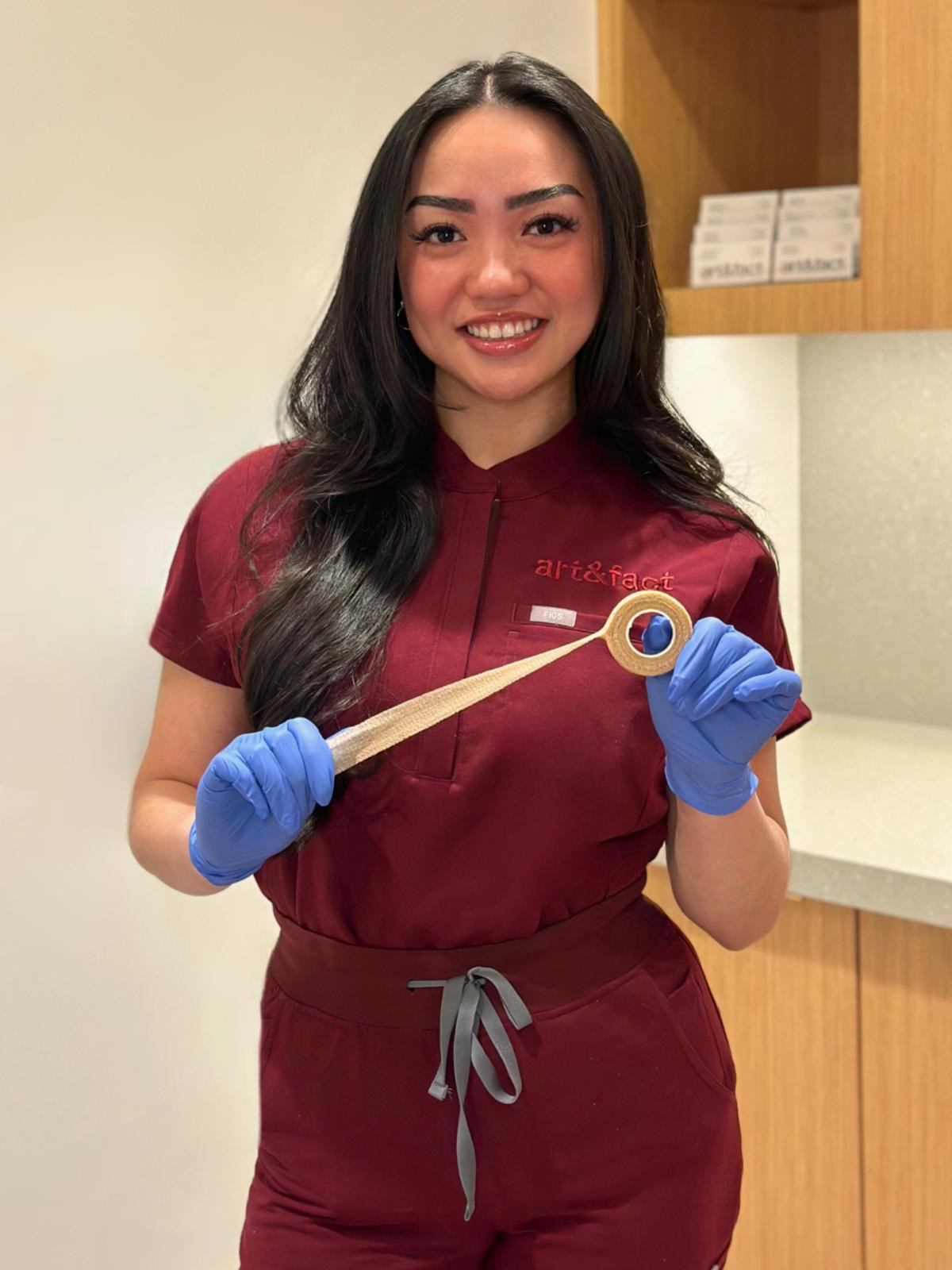
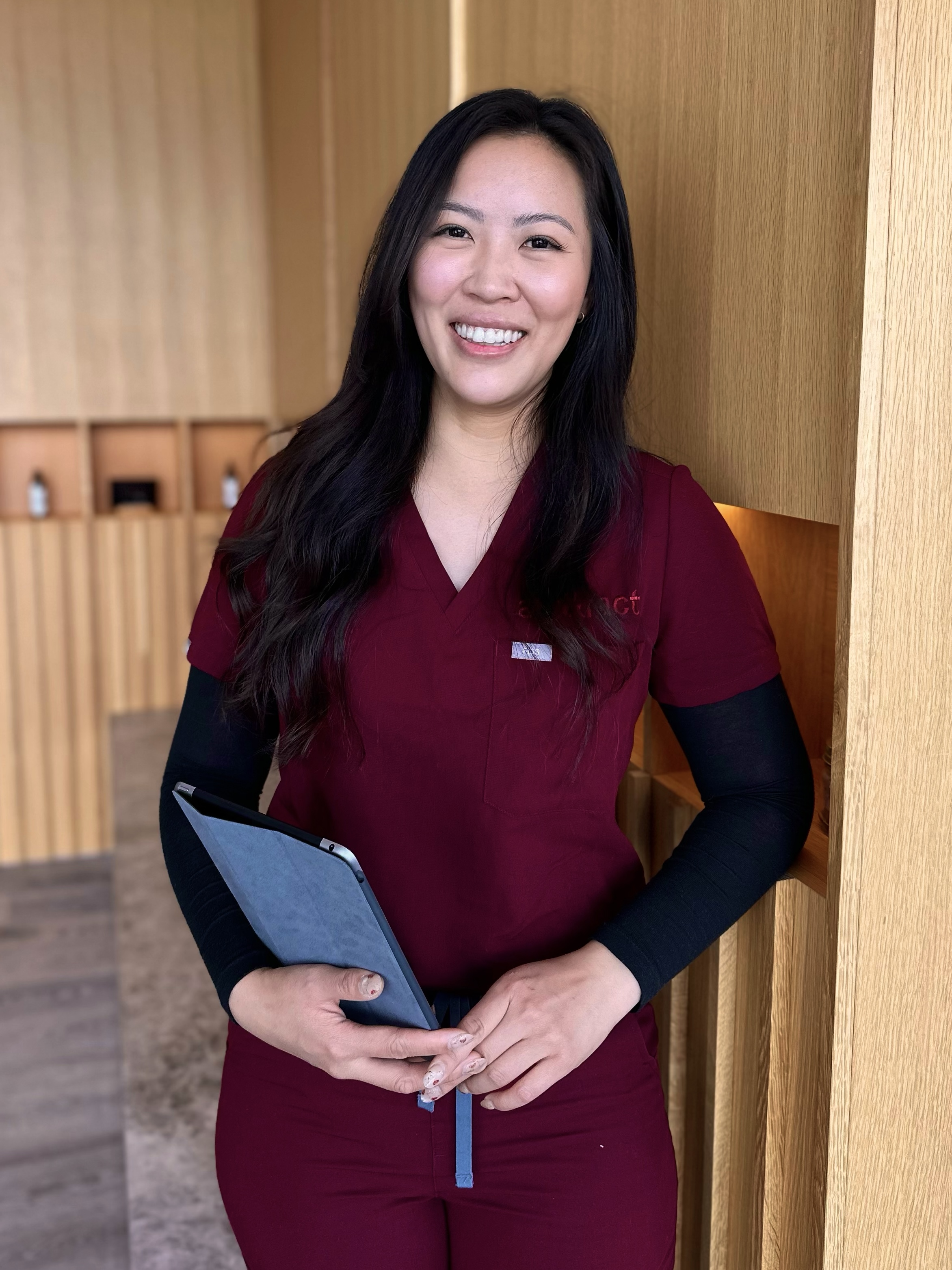
At art&fact, a surgeon-led plastic surgery and medical aesthetics clinic in Calgary, Alberta, our surgical patients have access to on-call nursing support during their recovery. Questions after surgery do not always happen during clinic hours, and we do not expect our patients to figure out the answers on their own.
Here is how on-call nursing support works, what happens when you reach out, and when you should contact a nurse during your recovery.
What Is On-Call Nursing Support?
On-call nursing support gives surgical patients a way to contact a nurse with questions or concerns that come up outside of regular clinic hours. It is an extension of your post-operative care, so you have access to someone who understands plastic surgery recovery and can help determine what needs to happen next.
Not every concern after surgery requires a trip to the emergency room, but that does not mean you should have to wait until the clinic reopens for an answer. Sometimes you need advice about what you are experiencing, and sometimes you simply need to know that what you are seeing or feeling is a normal part of recovery.
The purpose of the nursing line is to help make that distinction.
How On-Call Nursing Support Works at art&fact
Our nursing team is available from 10 a.m. to 8 p.m., seven days a week, so questions about your recovery are not limited to regular clinic hours. If something comes up in the evening or over the weekend, you still have a way to reach our team and ask what to do next.
The best way to contact the nursing team is by email at nurse@artandfact.ca. Include a description of your concern and photographs of the area so the nurse can better understand what you are seeing. Including your pharmacy information and the best way and time to reach you can also help our team respond to your concern.
If you need medical advice outside the hours our nursing team is available, call 811 to speak with a registered nurse. The service is free and available 24 hours a day. Medical emergencies should not wait for an email response or nursing advice and require immediate medical attention.
When Should You Contact a Nurse After Plastic Surgery?
Your post-operative instructions will explain what to expect during recovery, but it is different when you are actually at home experiencing it. Swelling, bruising, discomfort, and changes around your incision may be expected after surgery, but questions can still come up about what you are seeing or feeling.
Feel free to reach out to our nursing team if you experience any of the following:
- Swelling or bruising that you are unsure about
- Questions about your incisions, dressings, compression garments, or drains
- Changes in pain or discomfort that concern you
- Questions about medications or your medication schedule
- Concerns about drainage, redness, or changes around an incision
- Questions about showering, sleeping positions, activity, or returning to exercise
- Something about your recovery simply does not feel right
You do not need to decide on your own whether a concern is “serious enough” before asking for advice. Part of post-operative nursing support is helping you understand what is expected during healing and when something needs more attention.
Navigating Normal Healing vs. Unexpected Changes
One of the harder parts of plastic surgery recovery is knowing what is expected and what is not. Swelling, bruising, soreness, tightness, and temporary changes in sensation are common after many procedures, but how much you experience and how long it lasts depends on the surgery you had.
Recovery is also not always linear. Swelling can change from day to day, one side may look different from the other, and there may be days when you feel further along than others. What you see during the first days and weeks of recovery is not necessarily representative of your final result.
Your surgeon will give you a recovery timeline and post-operative instructions specific to your procedure. If something feels different from what you were told to expect, or you are unsure about a change you are noticing, always feel free to ask. You are not expected to determine on your own whether something is normal.
When Is It a Medical Emergency?
There is an important difference between having a question during recovery and experiencing a medical emergency. Nursing support can help you understand what you are experiencing, but it should never delay emergency medical care when you need it.
Symptoms such as severe difficulty breathing, chest pain, loss of consciousness, uncontrolled bleeding, or a sudden and significant change in your condition require immediate medical attention. If you believe you are experiencing a medical emergency, go to your nearest hospital emergency room immediately. You can also call the Peter Lougheed Centre switchboard at (403) 943-4555 and ask to speak to the plastic surgeon on call.
Why Recovery Care Is Just as Important as the Surgery
Choosing a plastic surgeon is not only about what happens during surgery. Recovery is part of the process, and having access to guidance once you are home can be just as important as knowing what to expect before your procedure.
Post-operative instructions can prepare you for many parts of recovery, but they cannot anticipate every question. Being able to reach someone who understands your surgery means you do not have to rely on an internet search or try to decide for yourself whether something needs attention.
At art&fact, we believe surgical care continues after you leave the operating room. Recovery is part of your surgical experience, and the support available afterward should be part of the conversation when choosing where to have your surgery.
How to Prepare for Your Plastic Surgery Recovery
A little preparation before surgery can make the first few days of recovery easier. Knowing what to expect, having what you need at home, and knowing who to contact if a question comes up means you can focus on recovering.
Your recovery plan will depend on the surgery you are having. Your surgical team will provide instructions specific to your procedure so you know what to expect once you are home.
Plastic Surgery Recovery FAQs
What information should I provide when contacting the nursing team?
Describe what you are experiencing and when you first noticed it. Photographs of the area are always helpful. Include your pharmacy information if your question involves medication, as well as the best way and time to contact you.
Should I contact the nursing team if I am not sure something is normal?
Yes. You are not expected to know whether every change you notice is a normal part of healing. If something looks or feels different from what you were told to expect, contacting the nursing team can help determine what needs to happen next.
What should I do if I think I am having a medical emergency?
Do not wait for a routine response from the clinic. Go to your nearest hospital emergency room immediately or call the Peter Lougheed Centre switchboard at (403) 943-4555 and ask to speak to the plastic surgeon on call.
Book a plastic surgery consultation in Calgary
If you are considering plastic surgery, understanding what happens after your procedure is an important part of choosing where to have your surgery. At your consultation, one of our board-certified plastic surgeons will discuss your procedure, expected recovery, and the post-operative care and support available to you.
art&fact is located at 2403 33 Avenue SW in Calgary's Marda Loop. Call (403) 800-9157 or book a consultation through our contact page.
We look forward to meeting you!