Otoplasty: A Complete Guide to Ear Pinning Surgery
October 13, 2026



Otoplasty: A Complete Guide to Ear Pinning Surgery
The shape and position of the ears can influence overall facial balance and appearance. For people who feel self-conscious about ears that protrude noticeably from the head, cosmetic surgery may offer a way to create a more balanced look. One option is otoplasty, commonly known as ear pinning surgery.
Otoplasty is a surgical procedure that changes the position, shape, or proportions of the ears. It is often performed to reduce the appearance of prominent ears, although it can also address certain structural differences or asymmetry.
Whether someone is considering ear pinning for themselves or their child, understanding the procedure, recovery process, and potential outcomes is an important first step.
In this guide, we explore what otoplasty involves, its potential benefits, who may be a suitable candidate, and what patients should know before considering ear surgery.
What Is Otoplasty?
Otoplasty is a type of cosmetic or reconstructive ear surgery that alters the shape, position, or proportion of the outer ear.
The procedure is commonly referred to as ear pinning when its primary purpose is to bring prominent ears closer to the head. Depending on the individual's anatomy, surgery may involve reshaping the cartilage, creating or refining natural folds, or adjusting the position of the ear.
Otoplasty may be considered for people who:
- Have ears that protrude noticeably from the head
- Want to improve the symmetry of their ears
- Have ear folds that are underdeveloped or differently shaped
- Are unhappy with the appearance of their ears
- Have certain ear-shape differences that can be addressed surgically
The specific technique depends on the ear's anatomy and the patient's goals. A consultation with a qualified surgeon is necessary to determine the most appropriate approach.
How Does Ear Pinning Surgery Work?
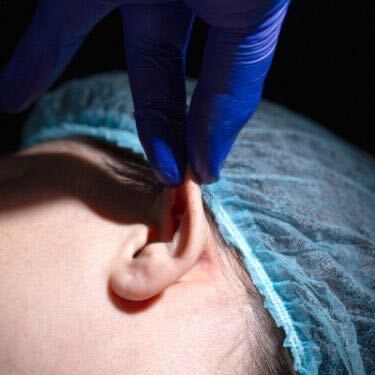
Otoplasty is usually performed through small incisions placed behind the ears, helping keep scars relatively discreet. The surgeon then adjusts the cartilage to achieve the planned shape and position.
Although the exact steps vary, the procedure generally involves several stages.
1. Consultation and Assessment
Before surgery, the surgeon evaluates the size, shape, position, and symmetry of the ears. They also review medical history, discuss aesthetic goals, and explain the potential benefits and limitations of surgery.
For children, the consultation also considers ear development, emotional readiness, and the child's own feelings about the procedure.
2. Anesthesia
The type of anesthesia depends on the patient's age, health, surgical plan, and clinical setting. Local anesthesia may be appropriate for some adults, while general anesthesia or other approaches may be recommended in other cases.
The surgical team will explain the planned anesthesia and any necessary preparation.
3. Cartilage Reshaping
The surgeon may reshape the ear cartilage using sutures, cartilage adjustments, or a combination of techniques. The goal is to improve the ear's position and contours while maintaining a natural appearance.
The approach is individualized because not all prominent ears have the same underlying structure.
4. Incision Closure and Dressing
Once the desired position and shape have been achieved, the incisions are closed. A dressing or protective headband may be used to support the ears during early healing, depending on the surgeon's protocol.
Patients receive post-operative instructions about wound care, sleeping positions, activity restrictions, and follow-up visits.
What Are the Benefits of Otoplasty?
For appropriately selected patients, otoplasty may offer several aesthetic and personal benefits.
Reduced Ear Prominence
Ear pinning surgery can reduce how far the ears project from the head, creating a more balanced relationship between the ears and the rest of the face.
Improved Ear Symmetry
When one ear is more prominent or shaped differently from the other, surgery may help improve symmetry. Perfect symmetry cannot be guaranteed, and some natural differences between the ears are normal.
Natural-Looking Contours
The goal of otoplasty is generally to create a natural ear shape that complements the patient's facial features rather than make the ears appear artificially flattened or tightly pinned.
Long-Lasting Results
Otoplasty results are generally long-lasting because the procedure changes the structure and position of the ear cartilage. However, healing, aging, injury, and individual tissue characteristics can affect the long-term appearance.
Potential Improvement in Self-Confidence
Some patients feel more comfortable with the appearance of their ears after surgery. For children and adults who experience persistent self-consciousness about prominent ears, this may be an important personal consideration.
Emotional outcomes vary, and surgery cannot guarantee improved self-esteem or resolve every concern related to appearance.
Who Is a Good Candidate for Otoplasty?
Otoplasty may be suitable for children, teenagers, and adults who want to change the position or shape of their ears.
Potential candidates generally:
- Are in good overall health
- Have fully developed or sufficiently developed ear cartilage for the planned procedure
- Have realistic expectations about the results
- Understand the potential risks and recovery requirements
- Are choosing surgery voluntarily and for their own considered reasons
In children, otoplasty is often considered once the ears have reached a substantial degree of development, commonly around age five or older. The appropriate timing depends on the child's development and individual circumstances.
A child's own wishes, emotional readiness, and ability to participate in recovery are important considerations. Surgery should not be pursued solely because of pressure from others.
Adults may also be candidates for ear pinning surgery. There is no single age at which someone becomes too old for otoplasty, provided they are medically suitable for surgery.
A qualified surgeon can assess candidacy and discuss whether otoplasty is appropriate.
Otoplasty vs. Other Ear Correction Options
Otoplasty is not the only approach to changing the appearance of prominent ears. The most appropriate option depends on age, cartilage development, the type of ear difference, and the desired result.
Otoplasty: A surgical procedure that reshapes or repositions the ears. It is commonly used for older children, teenagers, and adults with prominent ears.
Infant ear molding: A non-surgical technique that uses a custom molding device to guide ear cartilage into a different shape during early infancy, when cartilage is particularly flexible. It is time-sensitive and is not equivalent to otoplasty.
Temporary styling solutions: Hairstyles and certain accessories can change how prominent ears appear without altering their structure. These are non-medical options for people who prefer not to undergo surgery.
Non-surgical approaches generally cannot reproduce the structural changes achieved through otoplasty in older children and adults. A medical assessment can help determine which options, if any, are suitable.
What to Expect During Otoplasty Recovery
Recovery varies depending on the surgical technique, the patient's age, and individual healing. Many patients can return to light daily activities relatively soon, but complete healing takes longer.
The First Few Days
Swelling, bruising, tenderness, and mild discomfort are common. The ears may be covered with a dressing, and pain medication may be recommended.
Patients should follow their surgeon's instructions carefully and avoid unnecessary pressure or contact with the ears.
The First One to Two Weeks
As swelling and tenderness improve, many patients can gradually resume normal daily activities. Stitches may dissolve on their own or require removal, depending on the technique used.
A protective headband may be recommended, particularly during sleep, to help protect the ears from accidental bending.
Returning to Exercise and Sports
Strenuous exercise, contact sports, and activities that could bend or injure the ears should be avoided until the surgeon confirms it is safe to resume them.
The timing varies, so patients should follow their individual recovery plan rather than rely on a fixed timeline.
Over the Following Months
The ears gradually settle into their healing position as swelling resolves and the tissues recover. Scars behind the ears may continue to mature over several months.
Follow-up appointments allow the surgeon to monitor healing and address any concerns.
Patients should contact their surgical team if they experience increasing pain, fever, spreading redness, unusual discharge, or sudden changes in ear shape. Severe symptoms or rapidly worsening swelling require prompt medical assessment.
Are Otoplasty Results Permanent?
Otoplasty is intended to create long-lasting changes to the position or shape of the ears. Once the cartilage has healed in its new position, the results generally remain stable.
However, no surgical result is guaranteed to remain completely unchanged. Healing varies, and some patients may experience asymmetry, partial loss of correction, or changes in ear position over time.
Following post-operative instructions, protecting the ears during healing, and attending follow-up appointments can help support recovery.
What Are the Risks of Otoplasty?
Like all surgical procedures, otoplasty carries potential risks. These may include:
- Swelling and bruising
- Pain or tenderness
- Bleeding or infection
- Scarring
- Temporary or persistent changes in skin sensation
- Differences in symmetry
- An ear shape or position that does not meet expectations
- Visible or palpable sutures
- Cartilage irregularities
- Recurrence of ear prominence
- Risks associated with anesthesia
Some complications may require additional treatment or revision surgery.
Choosing a qualified, appropriately trained surgeon and discussing the benefits, risks, alternatives, and expected results before surgery are important steps in making an informed decision.
How Much Does Otoplasty Cost?
The cost of otoplasty depends on several factors, including the surgeon's fees, anesthesia, surgical facility, complexity of the procedure, and follow-up care.
Other factors may include whether one or both ears are treated and whether additional ear reshaping is required.
Because treatment plans vary, an individualized consultation is the best way to obtain an accurate estimate. Patients should ask for a breakdown of the total cost and confirm what is included.
Coverage through health insurance or public health programs depends on the location, the reason for surgery, and the applicable eligibility criteria. Procedures performed solely for cosmetic reasons are often not covered.
Is Otoplasty Worth Considering?
For people who are unhappy with prominent ears or certain ear-shape differences, otoplasty may be an option worth exploring.
The procedure can reposition the ears and refine their contours, with the goal of achieving a balanced, natural-looking appearance. However, surgery involves recovery time, potential complications, and the possibility that the result may not match every expectation.
The decision should be based on the patient's own goals, medical suitability, and understanding of the procedure.
A consultation with a qualified surgeon can help determine whether ear pinning is appropriate and what results are realistic for the individual's anatomy.
Frequently Asked Questions About Otoplasty
Is otoplasty the same as ear pinning?
Ear pinning is a common term for otoplasty performed to bring prominent ears closer to the head. Otoplasty is the broader term for surgery that changes the shape, position, or proportions of the outer ears.
At what age can someone have otoplasty?
Otoplasty is commonly considered for children around age five or older, when the ears have developed sufficiently for surgery. Timing should be determined by the surgeon and should take the child's preferences and readiness into account. Teenagers and adults can also undergo the procedure if they are suitable candidates.
Is otoplasty painful?
Some discomfort, swelling, and tenderness are expected after surgery. Pain levels vary, and the surgical team may recommend medication and other measures to help manage discomfort during recovery.
How long does ear pinning surgery take?
The duration depends on the surgical technique, the complexity of the correction, and whether one or both ears are being treated. Your surgeon can provide a more specific estimate during consultation.
Will otoplasty leave scars?
Otoplasty commonly uses incisions behind the ears, where scars are generally less noticeable. Scar appearance varies according to the incision, healing process, and individual skin characteristics.
Can ears become prominent again after otoplasty?
Some patients experience partial recurrence of prominence or changes in ear position during healing. Although results are generally long-lasting, recurrence is a recognized possibility, and revision surgery may occasionally be considered.
How long does it take to see the final results?
The ears may look different soon after surgery, but swelling can temporarily affect their shape. As healing progresses over the following weeks and months, the results become clearer.
Final Thoughts: Understanding Otoplasty in Cosmetic Surgery
Otoplasty, or ear pinning surgery, is a well-established option for people seeking to change the position, shape, or prominence of their ears. By reshaping the ear cartilage, the procedure aims to create a more balanced appearance while maintaining natural contours.
Understanding the procedure, recovery requirements, potential risks, and realistic outcomes is essential before making a decision.
Whether considering ear pinning for yourself or your child, a consultation with a qualified surgeon can help you explore the available options and determine the most appropriate approach.
Ready to explore your options? Schedule a consultation with a qualified plastic surgeon to discuss your concerns, learn about ear pinning surgery, and determine whether otoplasty aligns with your goals.
Medical disclaimer: This article is for educational purposes only and is not a substitute for individualized medical advice, diagnosis, or treatment. Consult a qualified medical professional to discuss the suitability, risks, benefits, and alternatives to otoplasty.