CO2 Laser Treatment in Calgary: What It Does, Who It Suits, and How It Compares
August 24, 2026


CO2 Laser Treatment in Calgary: What It Does, Who It Suits, and How It Compares
Patients ask us about CO2 laser more than any other skin treatment. Usually, the question underneath the question is the same: Will this actually fix what is bothering me, and how much of my life does it cost to find out?
This guide answers both—in the order patients actually think about them.
At art&fact, a surgeon-led plastic surgery and medical aesthetics clinic in Calgary's Marda Loop, our team includes five board-certified plastic surgeons and experienced medical aesthetics professionals who treat skin as part of the whole face. Because we offer CO2 laser, Fotona laser, and Morpheus8 under one roof, we recommend the treatment that best matches your goals—not simply the technology we happen to own.
What Does a CO2 Laser Actually Do?
A CO2 laser is an ablative laser, meaning it removes microscopic columns of skin tissue rather than simply heating the skin beneath the surface.
At art&fact, we perform fractional CO2 resurfacing, treating thousands of tiny columns—each about the width of a human hair—while leaving healthy skin between them untouched. These untreated areas help your skin heal more quickly than if the entire surface were treated.
As your skin repairs these microscopic channels, it produces new collagen. Within about five days, the treated skin naturally exfoliates, revealing fresher skin underneath. The collagen-building process continues for several months, so your skin keeps improving long after the initial healing period.
This combination of surface renewal and deep collagen stimulation makes CO2 laser one of the most effective treatments available for improving overall skin quality. The trade-off is downtime, and whether that trade-off is worthwhile depends on your individual concerns and goals.
Who Is a Good Candidate for CO2 Laser in Calgary?
CO2 laser resurfacing is generally best suited for people whose primary concerns involve skin quality rather than skin position.
You may be a good candidate if you're looking to improve:
- Fine lines and deeper wrinkles, especially around the mouth and eyes
- Acne scars, including redness and narrow "ice pick" scars
- Uneven skin tone
- Sun damage
- Pigmentation caused by years of Alberta sun exposure
- Crepey skin on the lower eyelids
- Rough skin texture
- Overall dullness that no longer responds to skincare
When CO2 May Not Be the Right Choice
If your primary concern is skin laxity or sagging, a laser alone won't provide the result you're looking for.
CO2 laser improves the quality of the skin, but it does not reposition tissue that has descended over time. In those cases, lifting procedures or surgery may provide a better outcome.
A thorough consultation should determine which treatment is most likely to help you achieve your goals.
How to Prepare for CO2 Laser Treatment
Preparation has a significant impact on both safety and results.
Before treatment, you'll typically be asked to:
- Tell your provider if you've ever had cold sores, as preventative antiviral medication may be recommended.
- Stop retinoids and exfoliating acids according to your provider's instructions.
- Avoid treatment if you have an active tan or recent sunburn.
- Disclose all medications and supplements, including blood-thinning medications.
- Schedule treatment when you can realistically allow yourself time to recover.
- Ask any questions during your consultation so your treatment plan is already in place before the day of your procedure.
What Recovery Actually Looks Like
Most patients experience three to five days of visible downtime, although collagen remodeling continues for months afterward.
Here's what you can typically expect during recovery:
Treatment Day
Your skin will appear red and feel warm, similar to a sunburn. Most patients find that cool compresses provide relief during the first few hours.
Days 1 to 3
Redness and swelling are usually most noticeable during this stage. Your skin may feel tight, rough, and dry. This is the period most patients plan around when scheduling treatment.
Days 3 to 5
The treated skin begins to exfoliate naturally, revealing fresh skin underneath as the outer layer sheds.
Days 5 to 7
Most patients feel comfortable returning to normal daily activities. Any remaining pinkness can often be concealed with makeup.
Around Two Weeks
Most of the redness has settled, although everyone's healing timeline is slightly different.
Up to Six Months
The visible healing may be complete, but collagen production continues beneath the surface. Skin texture, firmness, and overall quality continue to improve over the following months.
Treatment sessions typically take 15 to 90 minutes, depending on the size of the treatment area. Topical numbing cream—and occasionally local anesthetic for deeper treatments—is used to improve comfort.
Many Calgary patients choose to schedule CO2 laser resurfacing during the fall or winter when avoiding sun exposure is easier, although treatment can be performed year-round with diligent sun protection.
CO2 vs. Fotona vs. Morpheus8: Which Treatment Is Right for You?
Because we offer all three technologies, our recommendations are based on your concerns—not the equipment.
If your primary concern is skin texture, acne scarring, deep wrinkles, or sun damage, CO2 resurfacing is usually where we start. It remains the most powerful resurfacing treatment we offer and delivers the strongest improvements in overall skin quality.
If you have similar concerns but cannot accommodate several days of downtime, Fotona laser treatments may be a better fit. Recovery is generally easier, although results tend to be more gradual and less dramatic than CO2 resurfacing.
If your main concern is skin laxity, heaviness, or loss of firmness, Morpheus8 is often the better option. Rather than resurfacing the skin, it combines radiofrequency energy with microneedling to tighten and contour underlying tissue.
Many patients have more than one concern. In these cases, the best results often come from a staged treatment plan that combines technologies over time instead of expecting one device to address every issue.
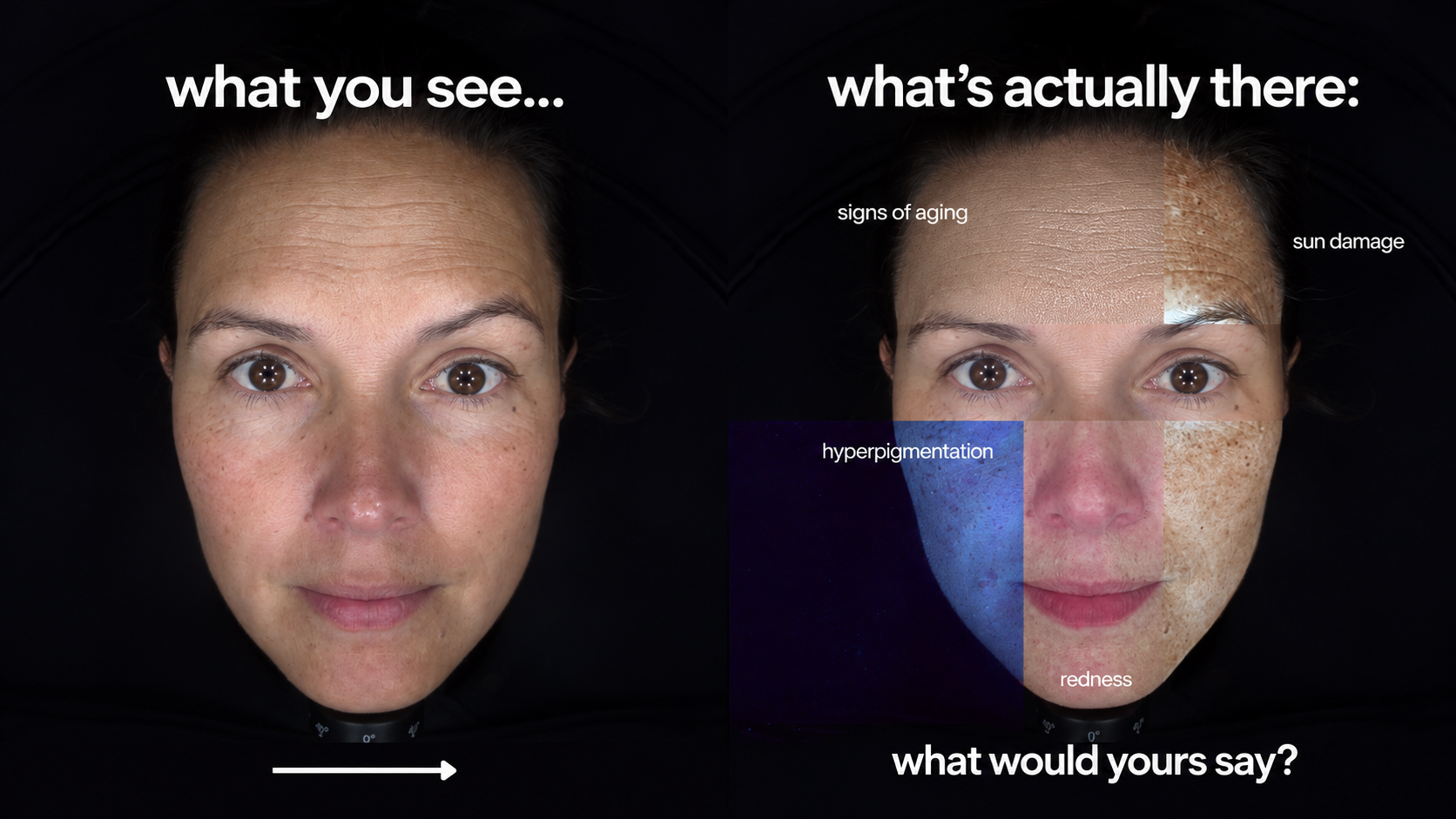
At art&fact, CO2 resurfacing is performed using the Alma Hybrid, allowing practitioners to combine ablative and non-ablative laser energy in one customized treatment. Before treatment, every patient also undergoes a comprehensive skin assessment using the Alma IQ Skin Analysis System.
Patients with deeper or Asian skin tones often require different treatment settings, making practitioner experience especially important.
Treatment pricing is personalized during your consultation based on the treatment area and your customized plan.
Frequently Asked Questions
How Far in Advance Should I Book CO2 Laser Before a Wedding or Major Event?
Although visible healing usually takes three to five days, residual pinkness can last for up to two weeks, and collagen improvements continue for several months.
If you're preparing for an important event, we generally recommend scheduling treatment at least four to six weeks beforehand, and even earlier for milestone occasions.
Will I Need Time Off Work?
Most patients plan for three to five days away from work.
Those who work remotely often return sooner, while patients in public-facing roles may prefer allowing closer to a week before returning without makeup.
Can I Have CO2 Laser If I've Had Botox or Dermal Fillers?
Yes.
Botox, dermal fillers, and CO2 laser all address different aspects of facial aging and are frequently combined as part of a comprehensive treatment plan.
Your practitioner will recommend the appropriate timing based on any previous treatments you've received.
Is CO2 Laser the Same as Deep Fractional Resurfacing?
Essentially, yes.
Deep fractional resurfacing refers to the specific fractional CO2 laser treatment performed at art&fact using the Alma Hybrid platform. Different clinics may use different names for similar procedures.
Can CO2 Laser Be Combined with Plastic Surgery?
Absolutely.
CO2 laser resurfacing is commonly combined with procedures such as blepharoplasty (eyelid surgery) or a facelift.
Surgery restores facial structure and lifts tissue, while CO2 laser improves skin texture, tone, and overall quality. Together, they often produce more comprehensive results than either treatment alone.
What's the Difference Between CO2 Laser and a Chemical Peel?
Chemical peels primarily improve the outermost layers of the skin.
Fractional CO2 laser reaches deeper into the skin, creating a stronger collagen response and more significant resurfacing. That makes it a better option for deeper wrinkles, acne scars, and more advanced sun damage.
Chemical peels still have an important role for patients with milder concerns or those looking for less downtime.
Book a Skin Assessment in Calgary
If you've been researching CO2 laser treatment and want to know whether it's the right option for your skin, the next step is a personalized consultation.
During your assessment, we'll evaluate your skin, discuss your goals, and recommend the treatment—or combination of treatments—that is most likely to deliver the results you're looking for.
art&fact is located at 2403 33 Avenue SW in Calgary's Marda Loop.
Phone: (403) 800-9157
Contact our team to book your skin assessment and learn whether CO2 laser resurfacing is the right fit for you.