Deep Plane Facelift in Calgary: What It Changes, Recovery and How It Compares
September 20, 2026
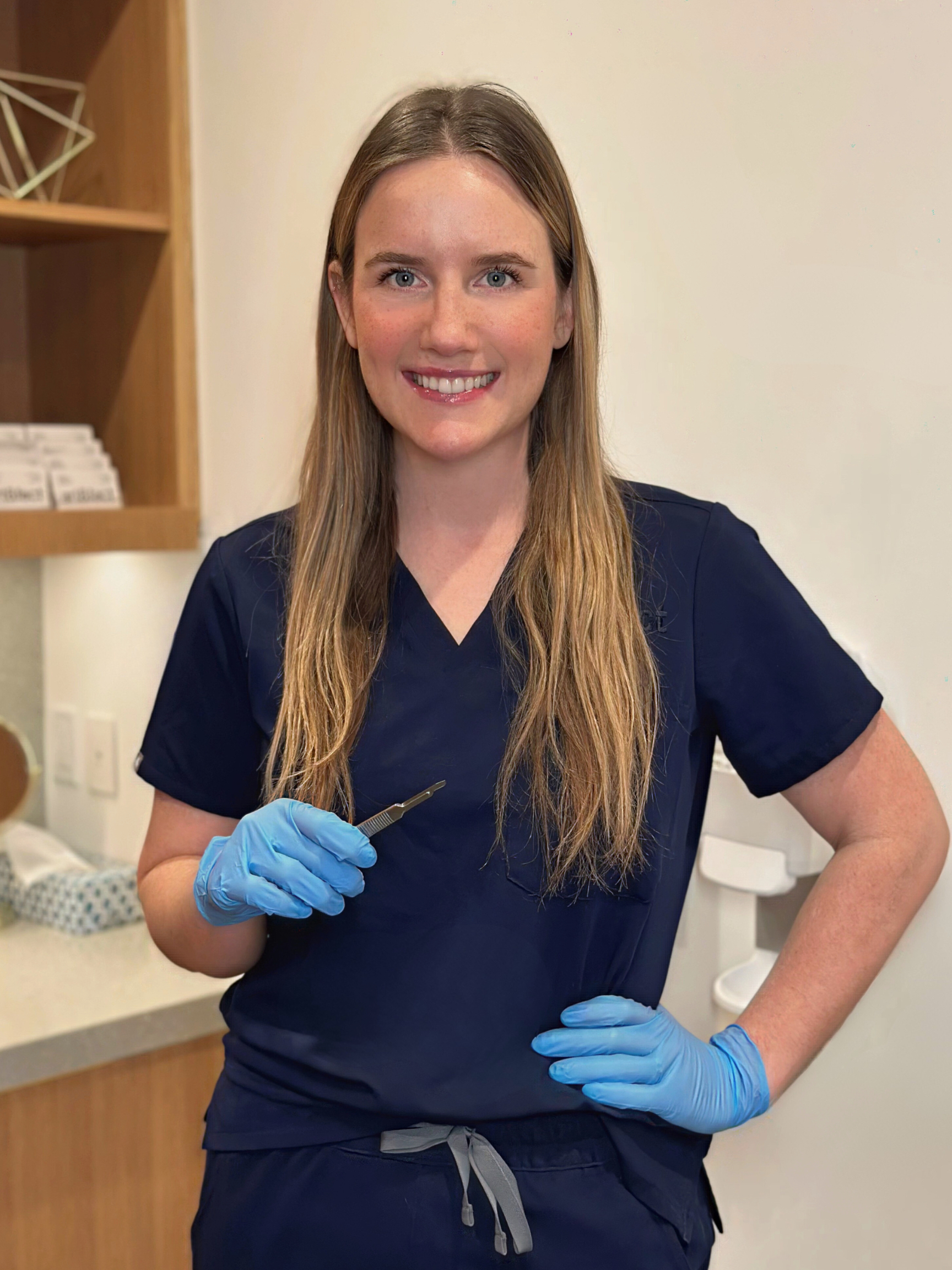

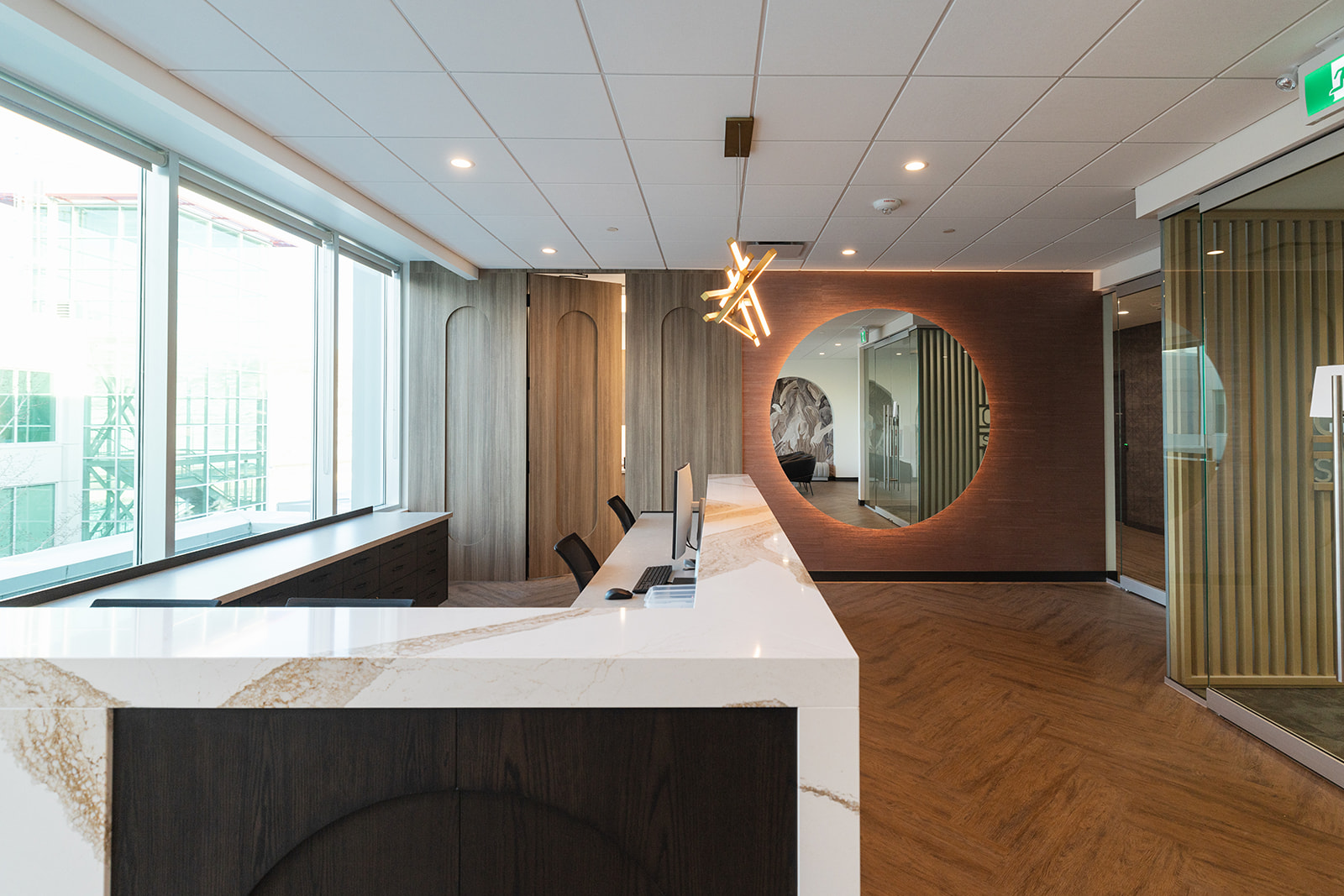
Researching a facelift in Calgary usually means wading through technique names, before-and-after photos, and strong opinions about which approach is "best." This guide sets that noise aside. It covers what a deep plane facelift actually does, what it can't do, how it compares to other facelift techniques, and what recovery and cost look like at art&fact, a surgeon-led plastic surgery and medical aesthetics clinic in Calgary's Marda Loop.
The short version: no single technique is right for every face. What matters more than the name of the procedure is your own anatomy, your goals, and the surgeon doing the work.
What Is a Deep Plane Facelift?
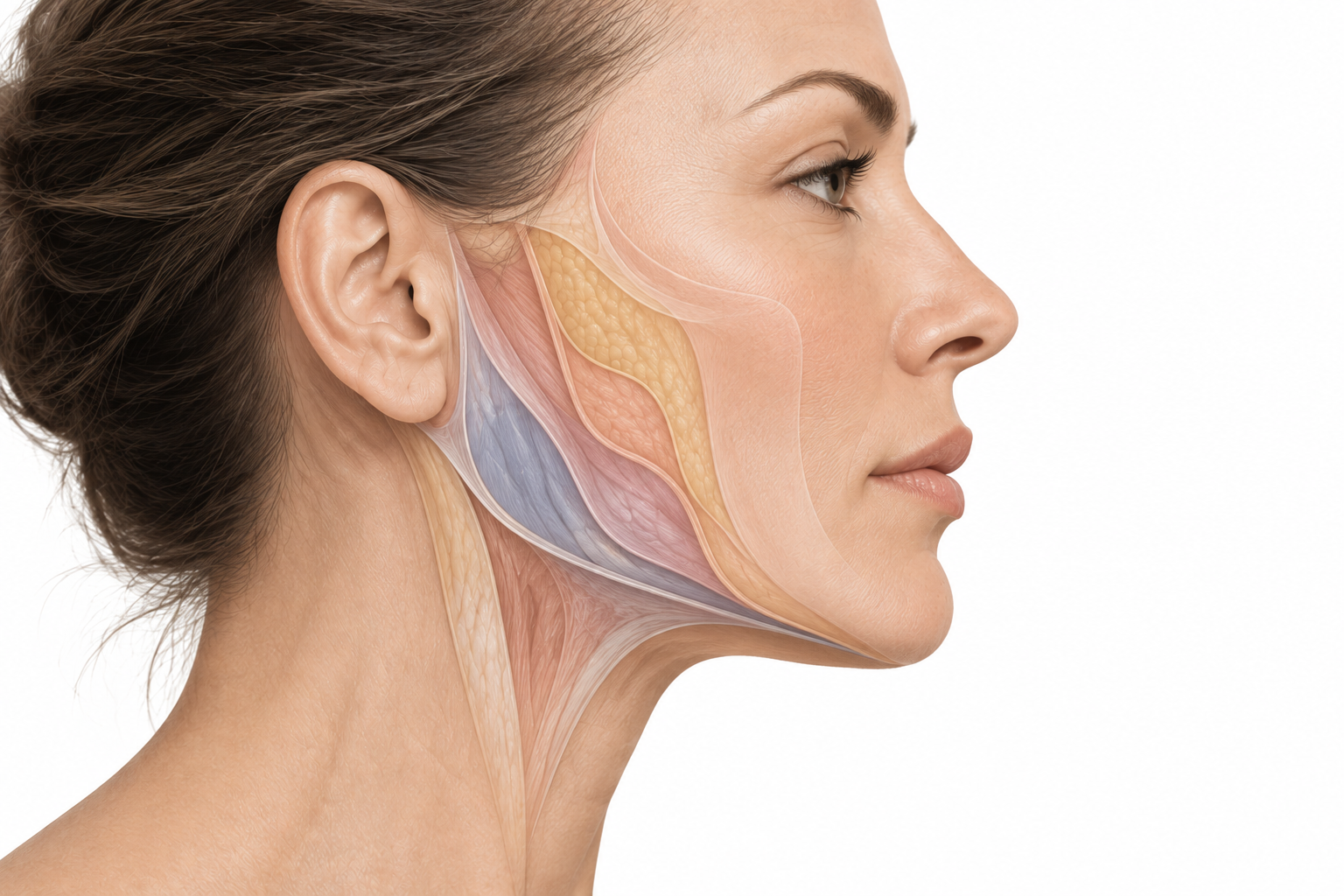
A facelift repositions skin and the tissue underneath it to address sagging, jowls, and neck laxity. It isn't simply about pulling skin tighter. A surgeon lifts and resets a deeper supportive layer, called the SMAS (superficial musculoaponeurotic system), then redrapes the skin over it.
A deep plane facelift dissects below the SMAS layer. It releases the ligaments holding the cheek and jowl in place, and repositions skin, fat, and muscle together as one connected unit. A standard SMAS facelift, by comparison, works on the SMAS layer itself, tightening it without releasing structures beneath it.
Both are established, recognized surgical approaches. Neither is automatically the better choice. The right technique depends on your anatomy, how your face has aged, and the experience and judgment of the surgeon performing the procedure, not on which name sounds more advanced. You can read more about art&fact's approach on our facelift service page.
What Can It Change, and What Can't It Change?
A facelift addresses sagging and loss of definition in the lower face and neck. According to art&fact's facelift service information, it's intended for excess or loose tissue of the lower face and neck, jowls, a double chin, "turkey neck," and deep lines around the mouth and lower face.
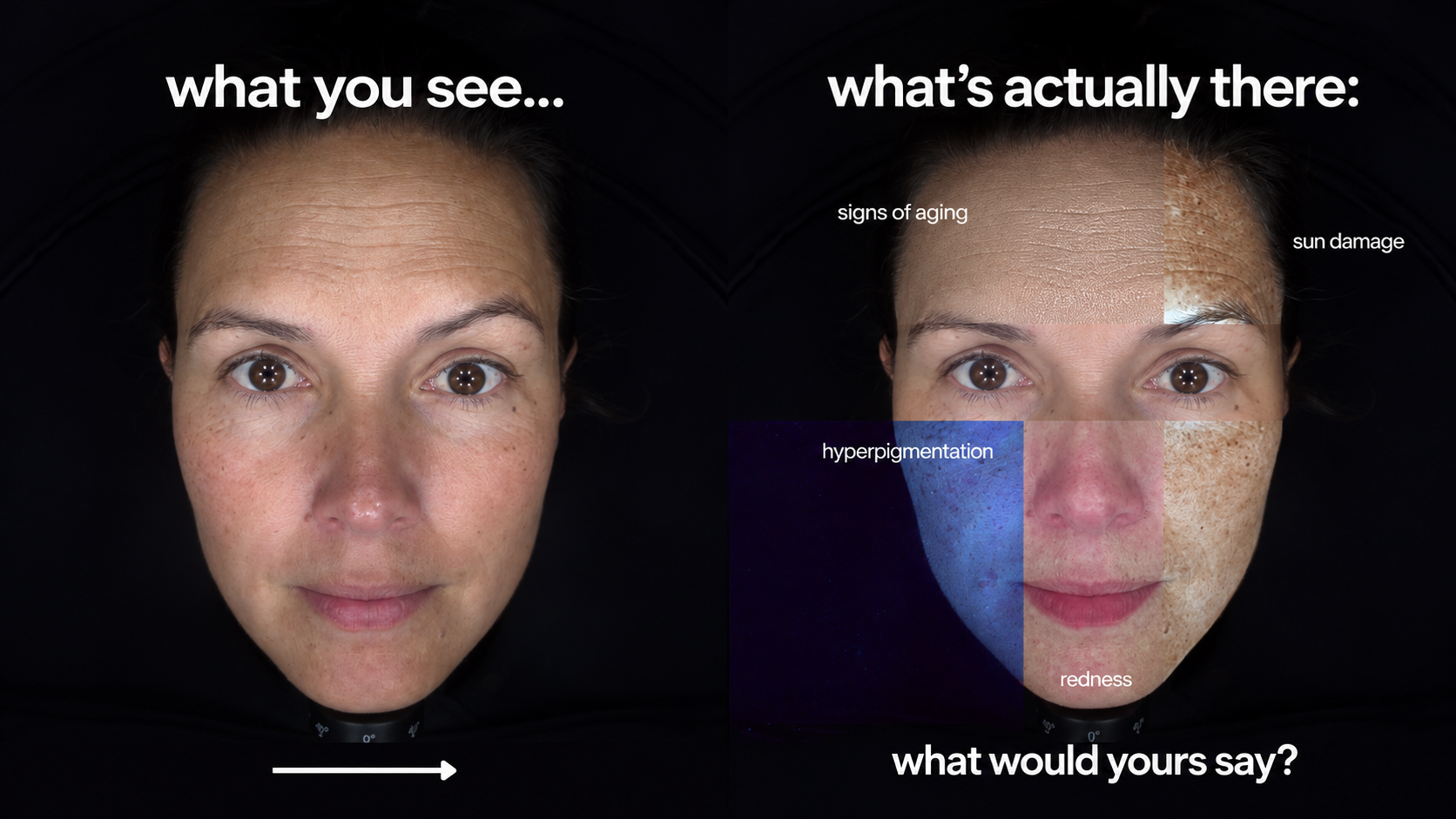
It won't change skin quality or fine lines across the whole face, and it won't stop the aging process going forward. Non-surgical treatments, such as laser resurfacing, can't create the same tissue repositioning a facelift achieves. They can, however, complement a surgical result or help delay when surgery becomes the right next step. art&fact offers laser resurfacing as one such option.
If your main concern is the eye area rather than the lower face and neck, that's typically addressed separately, through blepharoplasty rather than a facelift.
Who May Be a Candidate?
Good candidates are generally in good general health, hold realistic expectations, and are dealing with genuine sagging or looseness in the lower face and neck, not fine lines or sun damage alone. Age by itself doesn't determine candidacy. Skin quality, bone structure, and the degree of tissue laxity carry more weight.
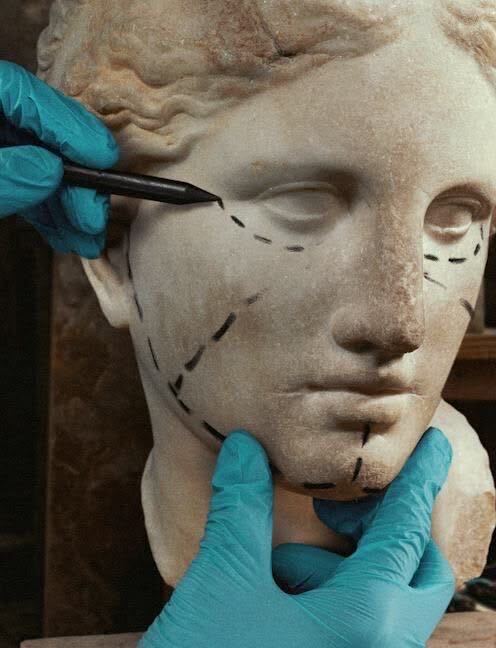
A consultation is where this actually gets sorted out. A surgeon needs to examine your face directly before recommending a deep plane approach, a standard SMAS lift, a more limited procedure, or a non-surgical option instead.
Patients looking for something less involved sometimes ask about a ponytail facelift, which is a separate option worth discussing with your surgeon if a full facelift isn't the right fit yet. You can read more in art&fact's guide to the ponytail facelift.
Deep Plane vs SMAS vs Limited-Incision Facelift: A Neutral Comparison
There's no universal winner among these approaches. Current evidence doesn't establish that one technique is consistently safer, longer-lasting, or more natural-looking than another. Outcomes depend heavily on the surgeon's skill and on matching the technique to the individual face.
The technique name alone doesn't tell you which option is right for you. Ask your surgeon why they're recommending a particular approach for your specific anatomy, not just what it's called.
Recovery: What to Expect
Facelift surgery at art&fact is performed under general anesthetic. Every patient heals at a different pace, so treat any timeline as a planning guide rather than a promise.
art&fact's own planning estimate is 4 to 6 weeks of downtime. Within that window, many patients begin to look socially presentable around 10 to 14 days after surgery, once the most visible bruising and swelling have settled. Deeper healing continues well beyond that point: swelling, changes in sensation, and tightness can keep settling for 2 to 3 months as tissue adjusts to its new position.
It's worth planning time off work and social commitments around the longer end of that estimate rather than the earliest possible outcome. Your surgeon will give you specific aftercare guidance at your consultation, tailored to your procedure, your anatomy, and your health history.
Risks and Questions to Ask
Every surgical facelift carries risk, regardless of which technique is used. Possible risks include reactions to anesthesia, bleeding or hematoma, infection, temporary or permanent nerve weakness, changes in sensation, poor wound healing or skin loss, hair loss near incisions, scarring, asymmetry, prolonged swelling, and the possibility of needing a revision procedure.
Before booking surgery, it's reasonable to ask your surgeon:
- Why are you recommending this specific technique for my face?
- What is your experience with this approach, and can I see your own results?
- What complications have you seen, and how do you manage them?
- What does my individual recovery timeline realistically look like?
- What happens if a revision is needed?
A surgeon who answers these plainly, without steering you toward one technique purely by name, is doing the job properly.
Current Cost at art&fact
Facelift pricing depends on the extent of surgery each patient needs, so an exact quote requires a consultation. At art&fact, a face and neck lift starts at $24,800 plus GST. That starting price reflects a procedure performed under general anesthetic; your surgeon will confirm final pricing once your specific surgical plan is set. Details are available on the facelift service page.
Surgeons Who Offer This Procedure
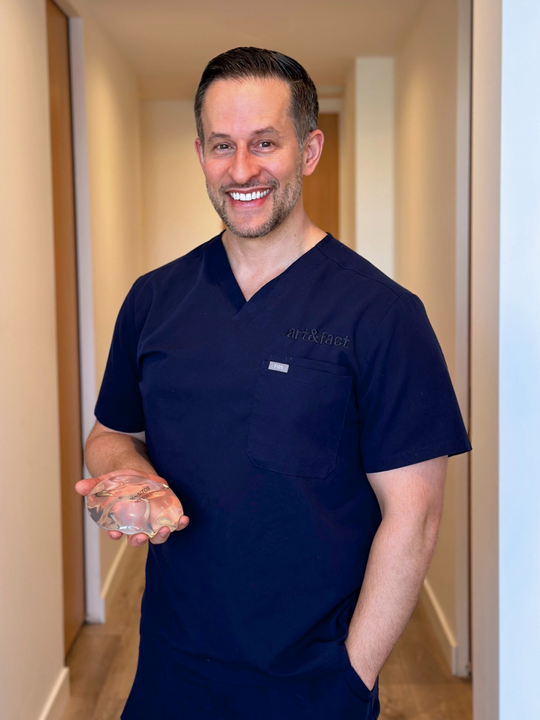
Facelift and neck lift consultations at art&fact are available with Dr. Aaron Knox and Dr. Mieke Heyns. Our surgeons have overlapping scopes of practice; the most appropriate surgeon is matched to each patient based on clinical needs, goals and availability.
Frequently Asked Questions
Is a deep plane facelift better than a SMAS facelift?
Neither approach is universally better. Both are established surgical techniques, and the right choice depends on your anatomy, your goals, and your surgeon's experience with each approach.
How long does facelift downtime last?
art&fact's planning estimate for downtime is 4 to 6 weeks. Many patients look socially presentable within 10 to 14 days, though swelling, sensation changes, and tightness can continue settling for 2 to 3 months.
Can non-surgical treatments replace a facelift?
No. Non-surgical treatments can't reposition tissue the way surgery does, but they may complement a facelift or help delay surgery for patients who aren't ready for it yet.
What does a facelift at art&fact cost?
A face and neck lift starts at $24,800 plus GST. Final pricing depends on the extent of your procedure and is confirmed at your consultation.
Who should I talk to about facelift surgery at art&fact?
Facelift and neck lift consultations at art&fact are available with Dr. Aaron Knox and Dr. Mieke Heyns. A consultation will confirm which surgeon and approach are appropriate for your anatomy.
Ready to Talk About Your Facelift Options?
A facelift decision deserves a real conversation, not a technique name. Book a consultation with art&fact at 1-2403 33 Avenue SW, Calgary, Alberta, or call (403) 800-9157 to get started.