FUE Hair Transplant in Calgary: What to Expect, Recovery & Growth Timeline
August 31, 2026


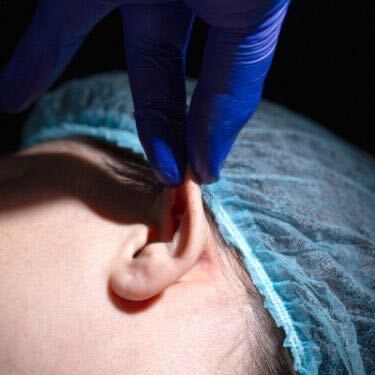
A hair transplant takes time. You can have thousands of hair follicles transplanted in a single procedure, but you're not walking out of the clinic with your final result.
With follicular unit extraction (FUE) hair transplantation, individual follicles are taken from an area where the hair is still growing and transplanted into areas where you've experienced thinning or hair loss.
At art&fact, a surgeon-led plastic surgery and medical aesthetics clinic in Calgary, Alberta, we offer FUE hair transplantation. Here's what the procedure involves, what recovery looks like and when you can expect to see new hair growth.
What Is an FUE Hair Transplant?
Follicular unit extraction (FUE) is a hair transplant technique where individual follicular units are removed from a donor area, usually the back or sides of the scalp, and transplanted into areas where more hair is needed.
Unlike older strip-based hair transplant techniques, FUE doesn't require removing a strip of scalp. Instead, follicles are extracted individually and then carefully placed to create a natural-looking hairline and pattern of growth.
FUE isn't creating new hair follicles. It's relocating the ones you already have from an area with stronger hair growth to an area where you need them.
What Happens During an FUE Hair Transplant?
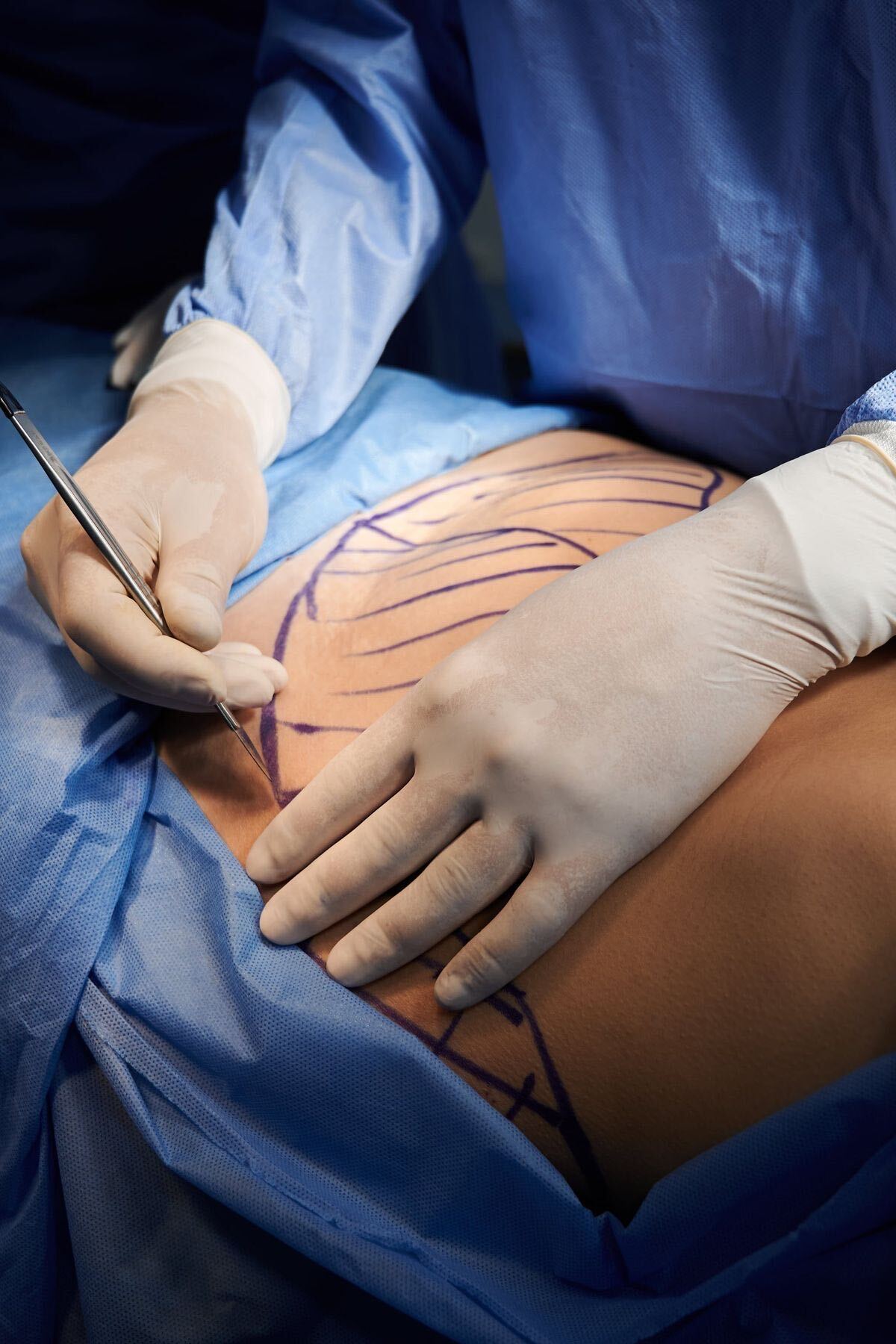
An FUE hair transplant starts by identifying the donor area and planning where the transplanted follicles will be placed. This includes designing the hairline and determining how the grafts should be distributed based on your existing hair and areas of thinning.
The donor area is numbed with local anesthesia before individual follicular units are extracted. Once the grafts have been collected, they're prepared and carefully transplanted into small openings created in the recipient area.
The number of grafts needed varies from person to person. Someone filling in a smaller area along the hairline may need far fewer grafts than someone treating more extensive hair loss across the scalp.
What Is Recovery Like After an FUE Hair Transplant?
The first few days after an FUE hair transplant are mostly about protecting the newly transplanted grafts. Some redness, swelling, tenderness and small scabs around the donor and recipient areas are expected.
You'll need to be careful when washing your hair and avoid rubbing, scratching or putting unnecessary pressure on the transplanted area. Your surgical team will give you specific instructions for washing your scalp, sleeping and returning to exercise.
The transplanted hairs will also begin to shed in the weeks after the procedure. This is a normal part of the process and doesn't mean the grafts have failed.
FUE Hair Transplant Growth Timeline: When Will You See Results?
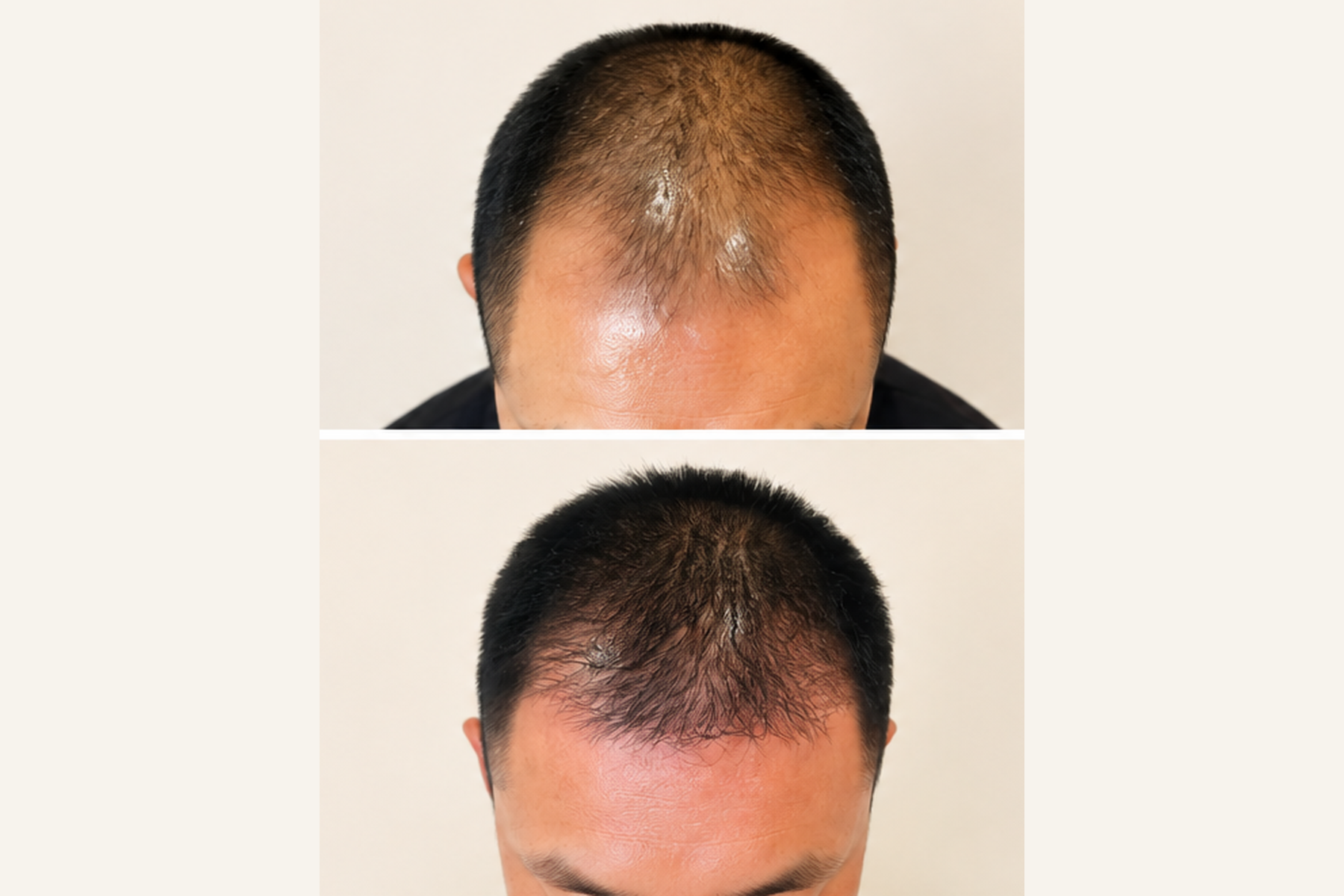
Hair transplant results take time because the transplanted follicles need to settle before they begin producing new hair. What you see in the first few weeks is very different from what you'll see several months later.
The important thing to remember is that shedding doesn't mean the transplant hasn't worked. The follicles remain beneath the skin while the transplanted hairs shed, and new growth happens gradually over the months that follow. It's too early to judge your final result within the first few months after surgery.
Are FUE Hair Transplant Results Permanent?
The follicles used for an FUE hair transplant are typically taken from areas of the scalp that are more resistant to hair loss. Once transplanted, these follicles can continue growing hair long term.
But a hair transplant doesn't stop future hair loss. The hair around the transplanted follicles can continue to thin over time, which is why planning a hair transplant isn't just about filling in the areas that are thin today. Your surgeon also will consider how your hair loss may progress in the future.
For some patients, treatments to help maintain their existing hair may also be recommended before or after a hair transplant.
Who Is a Good Candidate for an FUE Hair Transplant?
A hair transplant works by moving existing follicles, so having enough healthy donor hair is an important part of determining whether FUE is an option. The amount and quality of donor hair will also affect how much coverage and density can realistically be achieved.
The pattern and cause of your hair loss matter too. Not every type of hair loss can or should be treated with a hair transplant.
If your hair is actively shedding or the cause of your hair loss isn't clear, figuring out why it's happening may need to come before surgery. Your surgeon will also consider how your hair loss may progress over time, not just where your hair is thinning today.
Frequently Asked Questions
Do You Have to Shave Your Head for an FUE Hair Transplant?
Not necessarily. How much hair needs to be trimmed or shaved depends on the area being treated, the number of grafts needed and how your surgeon plans the procedure. This is something that can be discussed during your consultation.
Does an FUE Hair Transplant Leave Scars?
FUE doesn't create the linear scar associated with strip-based hair transplantation, but it isn't scar-free. Removing individual follicular units leaves very small scars throughout the donor area that are typically difficult to see once the surrounding hair grows in.
Can FUE Be Used to Restore a Receding Hairline?
Yes, FUE can be used to transplant follicles into areas of recession along the hairline. How much can be restored depends on factors like your existing hairline, the amount of donor hair available and how your hair loss is expected to progress over time.
Can You Have a Second Hair Transplant?
Yes, some patients may have more than one hair transplant over time. Whether another procedure is possible depends on factors including how much healthy donor hair remains, previous graft placement and how your hair loss has progressed.
Book Your FUE Hair Transplant Consultation in Calgary
If you're researching FUE hair transplants, the next step is a consultation with one of our providers. During your consultation, your nurse and surgeon will assess your hair loss, discuss your goals and explain your options so you can make an informed decision.
art&fact is located at 2403 33 Avenue SW in Calgary's Marda Loop. Call (403) 800-9157 or book a consultation through our contact page.
We look forward to meeting you!