Plastic Surgery for Asian Faces in Calgary: How We Approach It at art&fact
September 3, 2026

Patients who search for a surgeon experienced with Asian faces are usually asking one specific question, even if they do not phrase it directly:
Will this surgeon change what makes me look like me?
It is a fair question, and it has a history behind it. For decades, cosmetic surgery on Asian patients was often described in terms of making features look more Western. That framing is outdated, and it is not how we practise.
At art&fact, a surgeon-led plastic surgery and medical aesthetics clinic in Calgary, Alberta, we specialize in Asian faces. Our goal is not to erase your features—it is to refine them while preserving what makes you look like yourself.
Here's how we approach treatment, what the most common procedures involve, and what you should ask any surgeon before moving forward.
Why Does Facial Anatomy Matter in Surgical Planning?
Faces differ in structure, and those differences are more than cosmetic details. They influence what a procedure can realistically achieve and how it should be planned.
Compared with a typical European face, Asian facial anatomy more commonly includes:
- A flatter nasal bridge
- Thicker, more sebaceous nasal skin
- A fuller midface
- A wider and lower nasal base
- An upper eyelid with a low crease—or no visible crease at all
- Skin that often contains more melanin, affecting healing and laser treatment
None of these characteristics are problems to correct. They are anatomical differences that should guide surgical planning.
A surgeon who performs the same operation on every face may produce unnatural results. Experience treating different facial anatomies matters far more than the name of the procedure itself.
Double Eyelid Surgery and Asian Blepharoplasty
Double eyelid surgery is the facial procedure most frequently requested by our Asian patients, and it is one of the most important procedures to fully understand before deciding on surgery.
Approximately half of people of East Asian descent naturally have an upper eyelid crease, while the other half do not. Neither is abnormal.
Double eyelid surgery—also called Asian blepharoplasty—creates or refines that crease. At art&fact, both double eyelid surgery and canthoplasty are part of our facial surgery offerings.
The most important decisions involve crease height and crease shape.
A crease placed too high, or designed without respect for your existing anatomy, often appears overly surgical or Westernized. A thoughtfully designed crease should look as though it naturally belongs to your face.
For that reason, consultations focus less on whether surgery should be performed and more on what you want your eyes to look like in everyday life and in photographs.
What to Expect After Eyelid Surgery
Typical recovery expectations include:
- Upper eyelid surgery: Starting at $4,500 + GST
- Lower eyelid surgery: Starting at $6,800 + GST
- Upper and lower eyelid surgery together: Starting at $9,800 + GST
- Anesthetic: Upper eyelid surgery is typically performed under local anesthetic.
- Suture removal: Usually 5 to 7 days after surgery.
- Swelling: Most noticeable for 2 to 4 weeks.
- Overall recovery: Approximately 2 to 6 weeks, depending on the individual.
Our complete patient guide covers blepharoplasty costs, recovery, and frequently asked questions in greater detail.
One point deserves special attention: eyelid surgery interacts closely with both brow position and dry eye symptoms. Both should be carefully evaluated before surgery. If these topics never come up during your consultation, it's worth asking why.
Rhinoplasty for Asian Facial Anatomy
Rhinoplasty for Asian patients is often very different from the operation many people imagine.
Traditional Western rhinoplasty frequently focuses on reducing a dorsal hump or narrowing the bridge. For many Asian patients, the goals are often the opposite: increasing bridge definition, improving projection, or refining a wider nasal base.
Thicker nasal skin also behaves differently than thinner skin. It tends to hide smaller refinements and retains swelling longer, meaning final results require more patience.
An experienced surgeon should explain these expectations before surgery—not after.
As with eyelid surgery, the objective is balance. The goal is a nose that complements your own facial proportions rather than one that resembles someone else's.
Bringing photographs to your consultation often makes these conversations much more precise than trying to describe your goals with words alone.
Skin Treatment for Deeper Skin Tones
Surgery is only one part of facial aesthetics. Skin treatments are another area where experience with diverse skin tones is especially important.
Skin containing more melanin has a higher risk of developing post-inflammatory hyperpigmentation if lasers are used improperly.
Some clinics simply avoid treating deeper skin tones altogether.
We chose a different approach.
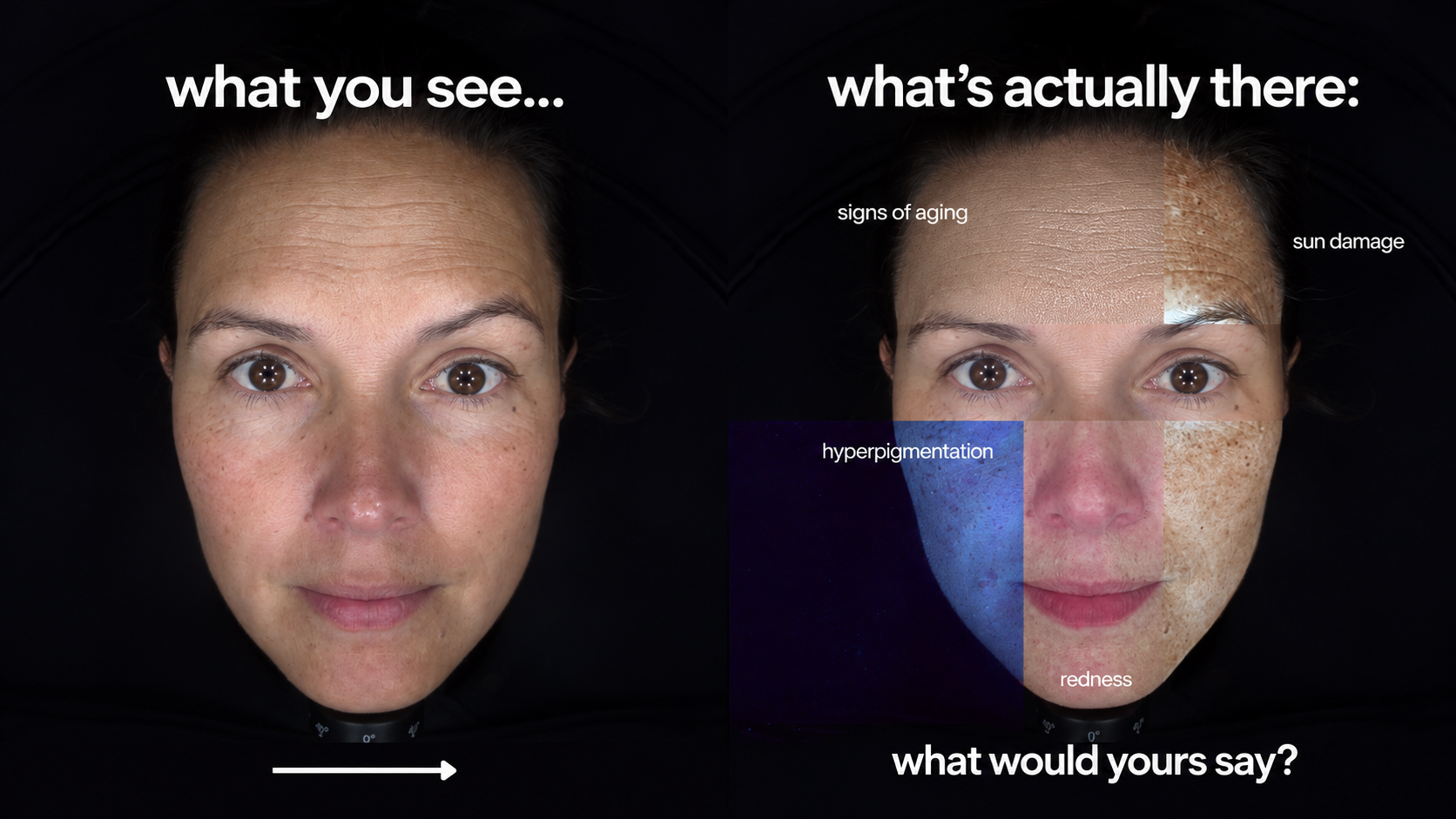
Our resurfacing treatments are performed using the Alma Hybrid, selected specifically because it allows safer treatment across a wider range of skin types. Every laser treatment begins with a comprehensive skin assessment using the Alma IQ Skin Analysis System before any energy is delivered.
Pigmentation should also be discussed before surgery—not only before laser treatments.
Skin with higher melanin levels may be more prone to post-inflammatory pigmentation changes during healing, making incision placement, surgical technique, closure, and aftercare particularly important parts of treatment planning.
Scarring deserves thoughtful discussion for every patient, and skin tone can meaningfully influence that conversation.
Who You'll See at art&fact
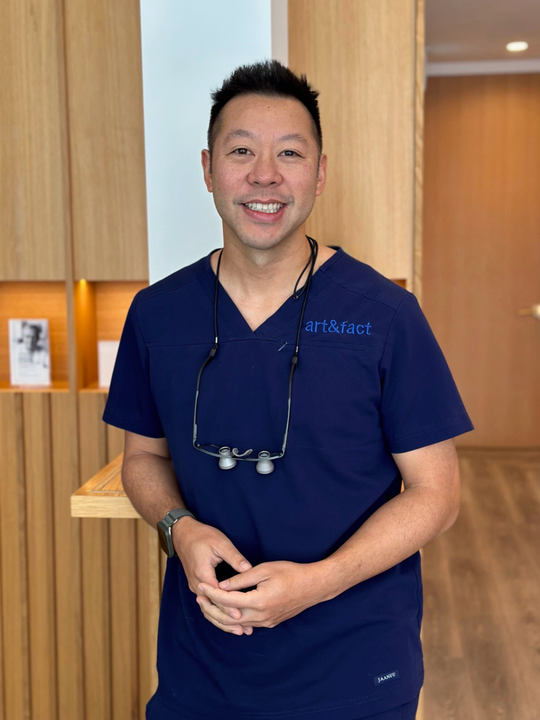
art&fact is home to five board-certified plastic surgeons, and our clinical team includes Asian practitioners.
As our Asian patient community has grown, it has influenced how our clinic operates—from the technologies we invest in, to the way consultations are structured, to how we define successful outcomes.
We also offer one of Calgary's most comprehensive combinations of surgical and non-surgical facial treatments.
That matters because the right answer isn't always surgery.
Sometimes it's a non-surgical treatment. Sometimes it's a staged approach. Sometimes it's simply waiting.
Because we offer multiple treatment options, our recommendations are based on what is best for you—not on steering you toward a particular procedure.
Questions to Ask During Your Consultation
Whether you meet with us or another surgeon, these questions can help you evaluate their experience:
- How many patients with anatomy similar to mine have you treated?
- Can I see before-and-after photos of patients with facial features similar to mine?
- What crease height and shape do you recommend for me, and why?
- How will my skin type affect healing, swelling, and pigmentation?
- What should I realistically expect six months after surgery—not just six weeks?
- What factors would make me a poor candidate for this procedure?
A surgeon who answers the final question honestly is often the one worth trusting.
Frequently Asked Questions
Do You Specialize in Asian Faces?
Yes.
We specialize in Asian faces across both our surgical and non-surgical practice and care for a large and growing number of Asian patients throughout Calgary.
Will Double Eyelid Surgery Make My Eyes Look Western?
No—that is not the goal.
The crease is designed around your existing anatomy and your personal aesthetic goals.
If your surgeon cannot clearly explain the crease height they recommend and why they recommend it, continue asking questions.
How Much Does Double Eyelid Surgery Cost in Calgary?
At art&fact:
- Upper eyelid surgery starts at $4,500 + GST
- Lower eyelid surgery starts at $6,800 + GST
- Combined upper and lower eyelid surgery starts at $9,800 + GST
Your personalized treatment plan and quotation are provided during your consultation.
What Is the Difference Between Asian Blepharoplasty and Standard Blepharoplasty?
Traditional upper blepharoplasty usually removes excess skin from an eyelid that already has a defined crease.
Asian blepharoplasty more commonly focuses on creating or refining a crease that is naturally low or absent.
Although many of the surgical techniques overlap, the planning process is entirely different—and thoughtful planning is what creates natural-looking results.
Do You Offer Non-Surgical Options for Facial Balance?
Yes.
Many patients begin with non-surgical treatments, and some never require surgery at all.
During your consultation, we'll discuss both surgical and non-surgical options so you understand every appropriate path forward.
Book a Consultation in Calgary
If you've been looking for a plastic surgeon in Calgary with extensive experience treating Asian facial anatomy, the next step is a personalized consultation.
We'll discuss your goals, answer your questions, and explain the reasoning behind every recommendation so you can make an informed decision with confidence.
art&fact is located at 2403 33 Avenue SW in Calgary's Marda Loop.
Phone: (403) 800-9157
Contact our team to book your consultation and learn more about our approach to plastic surgery for Asian faces.