When Should You Start Botox? The Ideal Age Explained
September 22, 2026



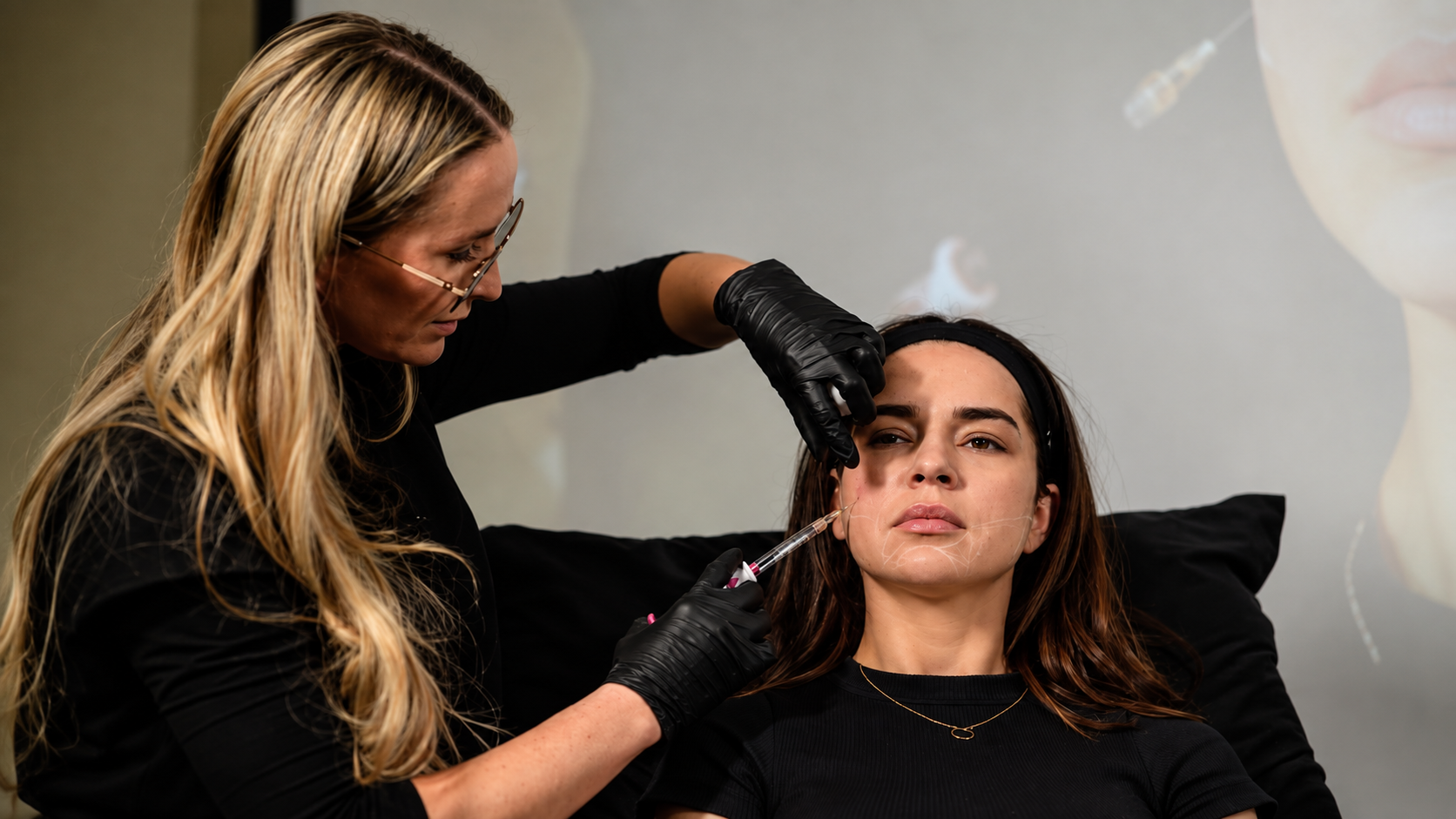
If you have ever looked in the mirror, raised your eyebrows a few times and wondered, “Am I supposed to be getting Botox already?” you are definitely not the only one.
Botox used to be something people considered once wrinkles started to show. Now, with “preventative Botox” everywhere, people are exploring treatment earlier than ever. It can start to feel like there is a specific, magic age when you are supposed to start.
There isn’t.
Some people start Botox in their 20s after noticing strong expression lines, while others make it well into their 30s or 40s before they even consider it. The right time has much less to do with your birth year and much more to do with your facial movement, the lines you are starting to notice and what you actually want to change.
At art&fact, a surgeon led plastic surgery and medical aesthetics clinic in Calgary, Alberta, Botox treatment is based on your anatomy, facial movement and individual goals, not just the number on your birthday. So, when should you actually start Botox? Let’s get into it.
Is There a Right Age to Start Botox?
There is no single “right” age to start Botox. Two people can be the exact same age and have completely different treatment needs.
When you smile, frown, squint or raise your eyebrows, the muscles underneath your skin contract and create temporary creases. These are called dynamic lines because they appear with facial movement and usually disappear when your face relaxes.
Over time, repeated movement can cause some of these lines to linger even when your face is at rest. These are known as static lines.
What Is Preventative Botox?
Preventative Botox simply means starting treatment before expression lines become deeply etched into your skin when your face is at rest. The idea is to soften the repetitive muscle movement that causes those lines to deepen over time.
But preventative Botox does not mean everyone needs to start in their early 20s. Some people naturally have stronger facial movement and develop lines earlier, while others may not notice them until much later.
It also does not mean freezing your face or treating every possible area. Botox can be targeted to the areas where you are starting to notice changes, while still keeping your expressions looking natural.
“I want my patients to still look like themselves when they smile, laugh or raise their eyebrows. Botox should soften the movement we are targeting, not take personality out of someone’s face.” - Sarah, Nurse Injector
Botox in Your 20s, 30s and 40s: What Changes?
There is no Botox timeline everyone needs to follow. However, what brings someone in for treatment can look a little different depending on when they decide to start.
Botox in Your 20s
In your 20s, Botox is usually less about treating established wrinkles and more about early expression lines. You may start noticing forehead lines, the “11s” between your eyebrows or crow’s feet when you smile.
If those lines disappear when your face relaxes, you may decide you are not ready for Botox yet. If they are starting to stick around, preventative treatment may be worth considering.
Botox in Your 30s
By your 30s, some of those expression lines may start hanging around a little longer. This is often when people who have never had Botox before start wondering whether it is time.
If you did not start Botox in your 20s, you have not missed some imaginary preventative Botox deadline. Treatment can still be used to soften muscle movement and address the lines you are starting to notice.
Botox in Your 40s and Later
By your 40s, some lines may already be visible when your face is relaxed. At this point, Botox may be more about softening their appearance and preventing them from becoming more pronounced.
Botox cannot erase every established line, and it does not treat things like volume loss or changes in skin quality. Depending on what you are noticing and what you want to change, your injector may recommend Botox on its own or discuss other treatment options with you.
How Do You Know If You Are Ready for Botox?
Instead of focusing on your age, pay attention to what you actually notice when you look in the mirror. Maybe your forehead lines are starting to stick around after you stop raising your eyebrows, or the lines between your brows are becoming visible even when your face is relaxed. Or maybe there is just one area that has started bothering you and you want to know what your options are.
That does not automatically mean you need Botox. At art&fact, our nurse injectors Sarah, Tracey and Jean assess how your face moves, where lines are forming and what you actually want to change before recommending treatment.
Sometimes Botox may make sense, and sometimes you may not need it yet. That is exactly what a consultation can help you figure out.
How Much Does Botox Cost and How Many Units Will You Need?
At art&fact, Botox is priced per unit, with the cost depending on your provider.
How Many Units Will You Need?
The number of units you need depends on where you are being treated, how strong the muscles are in that area and how much movement you want to keep.
As a general example, treatment ranges may look something like this:
These are only general ranges. Someone with stronger facial muscles may need more Botox, while someone looking for a very subtle result may need less. Your injector will look at how your face actually moves before deciding how many units make sense for you.
Frequently asked questions
If I Start Botox, Do I Have to Keep Getting It?
No. Starting Botox does not mean you are committing to it forever. As Botox wears off, muscle movement gradually returns. If you decide not to continue treatment, your facial movement will return and your lines will continue to develop naturally over time.
How Often Will I Need Botox?
Botox usually lasts around three to four months, but everyone is a little different. Some people notice their movement returning sooner, while others may go longer between treatments.
Will Starting Botox Earlier Mean I Need More Over Time?
Not necessarily. Starting earlier does not mean you will automatically need more Botox as you get older. How many units you need depends on what you are treating, how your face moves and how much movement you want to keep.
Can Botox Get Rid of Wrinkles That Are Already There?
Botox can soften some lines that are already visible when your face is relaxed, but deeper lines may not disappear completely with Botox alone. If Botox is not going to address what is bothering you, your injector can talk to you about other treatment options.
Book a neuromodulator consultation in Calgary
If you're researching neuromodulators, the next step is a consultation with one of our medical aesthetic injectors. During your consultation, your injector will assess your anatomy, discuss your goals, and explain your options honestly so you can make an informed decision.
art&fact is located at 2403 33 Avenue SW in Calgary's Marda Loop. Call (403) 800-9157 or book a consultation through our contact page.
We look forward to meeting you!